
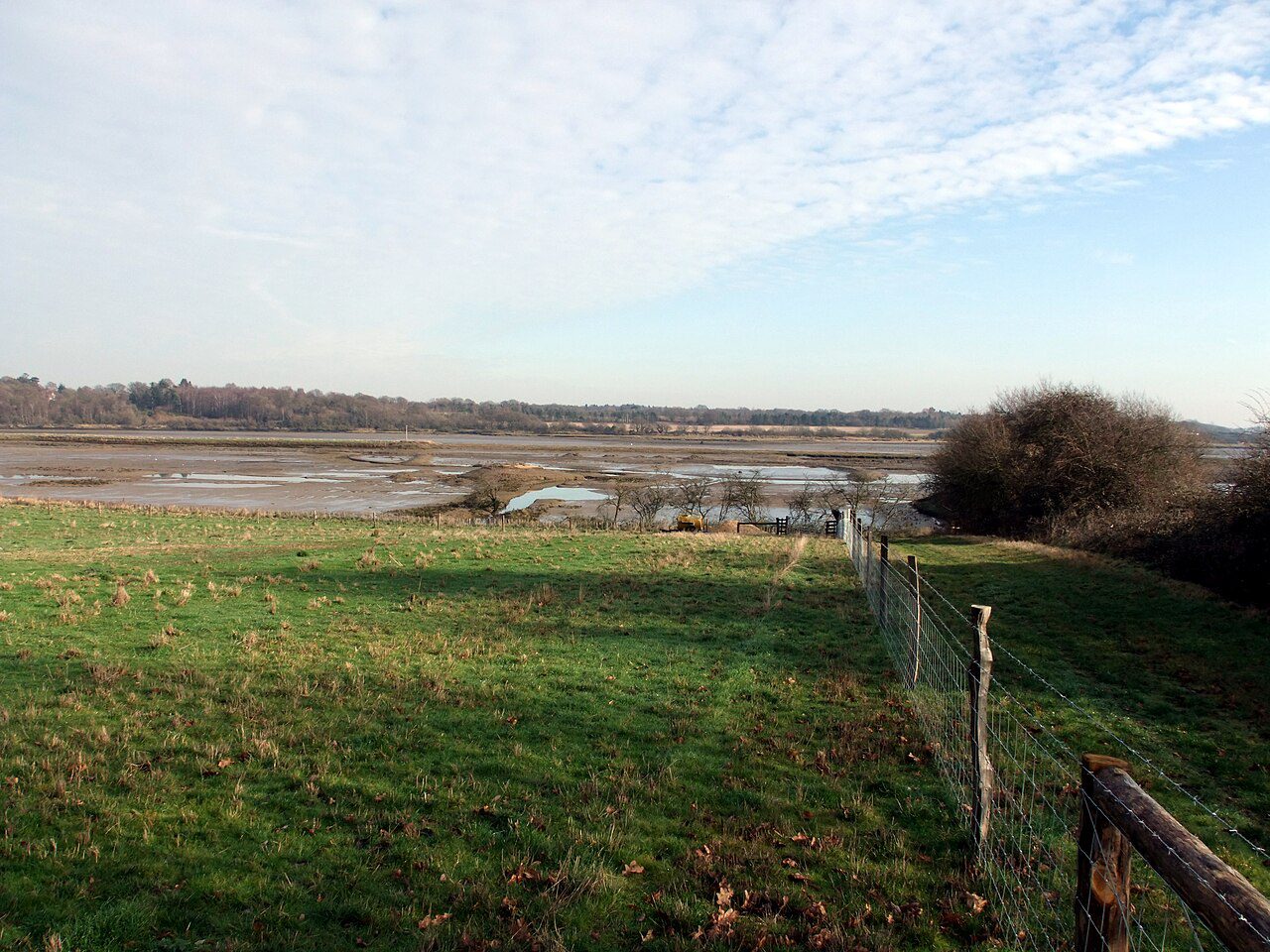
Fingringhoe Wick Nature Reserve sits on the Colne Estuary a short drive south of Colchester, the kind of place that has been quietly ticking over for sixty years without needing to make a fuss about itself. Essex Wildlife Trust has managed it since 1961, their first nature reserve, and it still holds the character of somewhere that predates the era of Nature Discovery Parks, when a field on an estuary and a wooden hide were enough. It is a Site of Special Scientific Interest, it records over 200 bird species and 350 flowering plants, and in May it holds one of the largest concentrations of breeding nightingales in Britain. It is worth knowing about.
Table of Contents
Fingringhoe Wick Nature Reserve: What the Reserve Is Like
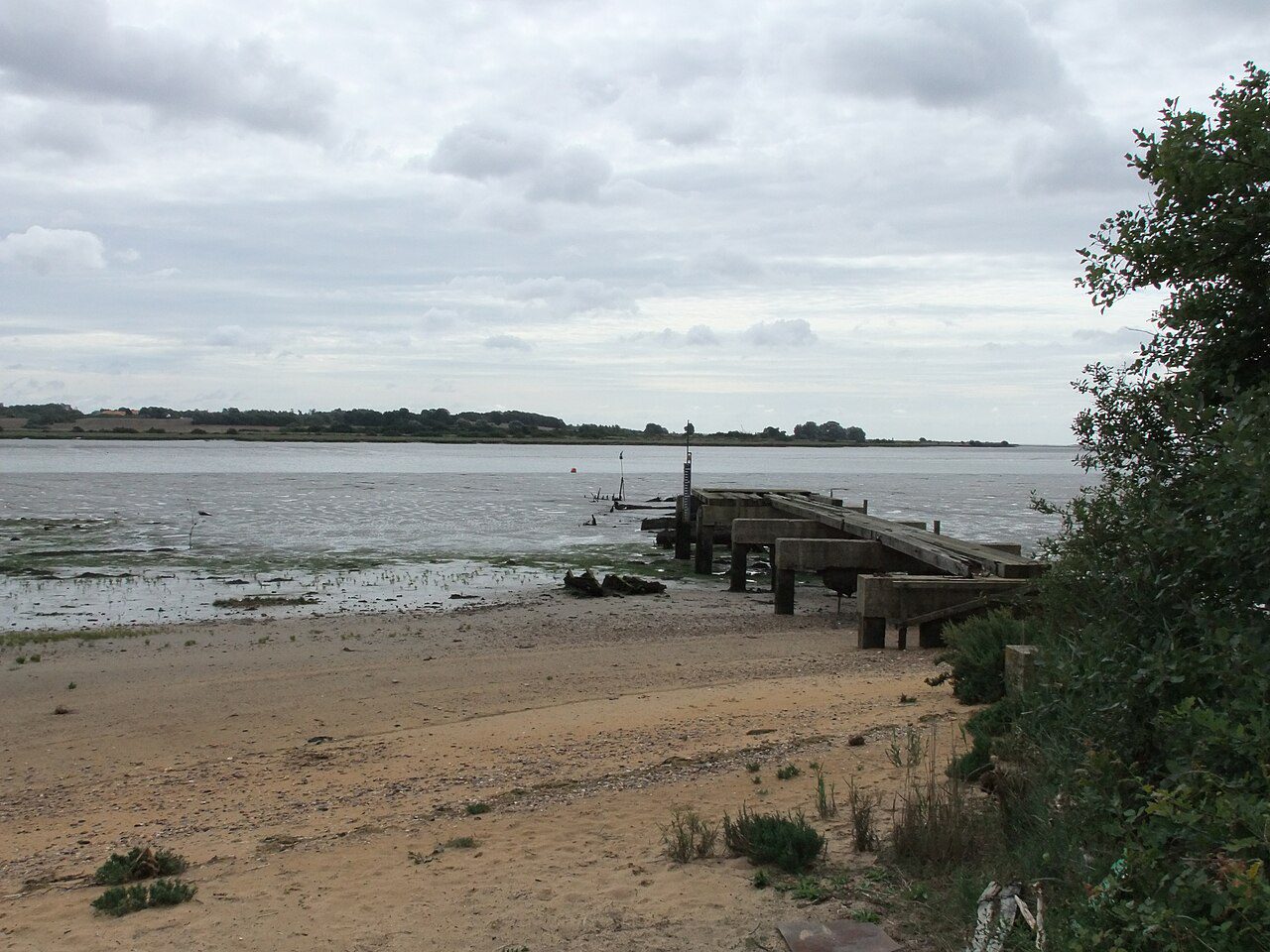

The site covers more than 200 acres, and the range of habitat compressed into that area is the reason its wildlife count runs so high. Heathland, woodland, scrub, ponds, and lakes give way to the intertidal edges of the Colne Estuary, and the transitions between habitats are where most of the interesting things happen. Dragonflies work the pond margins in summer, 27 species recorded across the season. The heathland section is good for butterflies, with 24 species recorded, and the scrub holds most of the breeding birds that make the reserve worth a visit in spring and early summer.
Adders emerge from hibernation in the warmer months. Badgers are present but nocturnal enough that an evening visit or considerable patience would be needed to encounter one.
The visitor centre at the entrance handles the practical side well: a café serving hot and cold drinks and sandwiches, a shop for the field guides and binoculars you may wish you had thought to bring, toilets with accessible provision and baby-changing facilities, and a picnic area outside if you would rather eat in the open. Entry is £3, which includes a site map, and parking is free on site.
Several hides are positioned around the reserve at the key viewpoints, over the ponds and scrub and out across the estuary. Trails connect them through the different habitat types, and some sections are wheelchair accessible. The visitor centre has a wheelchair and an all-terrain mobility scooter available to borrow for the day at no charge, which makes the accessible trails genuinely reachable rather than theoretically so.
The nightingales
Fingringhoe Wick is one of the better places to hear nightingales in Essex, and the numbers back that up. Around 30 to 40 breeding pairs have been recorded here, which is roughly 1% of the entire UK population concentrated on a single reserve, and the combination of dense scrub and sheltered estuary-edge habitat is the reason they keep returning. Essex Wildlife Trust runs guided Nightingale Walks during the first two weeks of May, worth booking if you want some direction on where to position yourself, though the trails give a fair chance of hearing them without guidance on a calm morning or in the early evening.
It is worth saying plainly that nightingales are often the punchline of a disappointed birdwatcher's story. They are shy, they hide in thick cover, and in visual terms they look like a slightly rusty robin. The song is the point, not the bird. Come at dusk or dawn, stand quietly near the denser sections of scrub, and wait. The song is genuinely remarkable, and Fingringhoe Wick is one of the few places in England where the probability of hearing it, without a specialist guide, is meaningfully good.
The reserve also has a good range of other spring migrants returning at the same time, so a visit in late April or May tends to be productive even when the nightingales are quiet.
Winter on the estuary
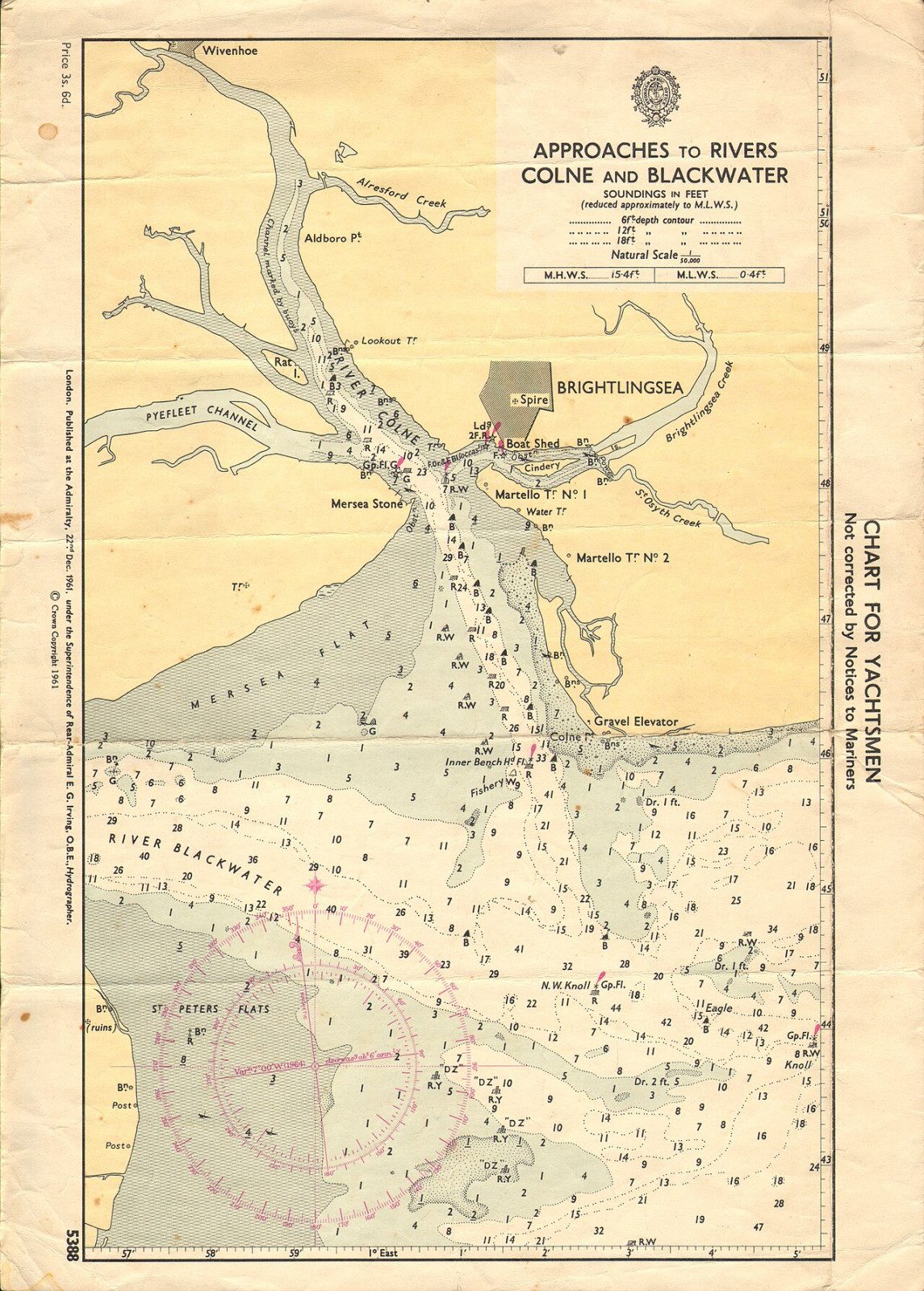
If nightingales draw people in spring, the estuary is the reason serious birdwatchers return in winter. The Colne Estuary fills with waders and wildfowl from October through to March, and the hides at Fingringhoe Wick sit at the right angle to give long views across the water without requiring particularly powerful optics.
Avocets are the headline species: up to 700 have been recorded here through the winter months, which is a notable concentration for a single site. Alongside them come brent geese, golden plover, lapwing, dunlin, teal, wigeon, and red-breasted merganser. The variety is broad enough that a single winter morning at the estuary hides will usually turn up something unfamiliar, which is part of why the site draws people back through the cold months when most casual visitors have long stopped thinking about it.
If you are not an experienced birdwatcher but want to understand what the activity involves, a winter afternoon at Fingringhoe with a decent pair of binoculars and somewhere sheltered to sit is a reasonable introduction. The hides filter out the wind, they face the right direction, and the birds on the estuary in winter are large enough that modest optics will do the job.
Dogs
Dogs are welcome at Fingringhoe Wick on the designated dog trail, which runs for approximately one mile around part of the reserve and requires dogs to be kept on leads throughout. The trail takes in a good section of the landscape without routing through the most sensitive habitat areas, particularly the zones used by ground-nesting birds during the spring and summer breeding season.
The surrounding countryside around Fingringhoe village connects to other footpaths beyond the managed reserve boundary, which gives options for a longer walk if the dog trail alone is not enough. For dog-friendly walks across the wider Colchester area, there are several routes worth knowing about within easy reach of the reserve.
Getting there, and what to combine it with
For anyone planning a visit, the Fingringhoe Wick Nature Reserve address is South Green Road, Fingringhoe, CO5 7DN. Take the B1025 from Colchester towards Mersea Island and follow the signs for Fingringhoe Wick. The reserve is open every day of the year from 10am to 4pm, and the car park is free.
The B1025 continues south past the reserve towards West Mersea, which is worth the extension if you have the afternoon. From Fingringhoe Wick it is around twenty minutes to reach the island, and combining a morning at the nature reserve with an afternoon at West Mersea makes for a well-structured day out. The oysters are the obvious draw at Mersea, but the sailing village itself is good for an hour of wandering, and you can check the tides before you plan: on very high tides the causeway to the island floods, though it is typically passable for most of the day.
Where to stay
Number 11 and The Round House, both in Colchester, put you ten minutes from Fingringhoe Wick by car and are the straightforward base if you want more than a single morning at the reserve. Both properties welcome dogs, both have free parking, and self-check-in from 3pm means there is no need to coordinate your arrival around anyone else's schedule.
If you are planning a visit in May for the nightingales, staying in Colchester means you can be at the reserve for the early evening song without a long drive back. If the winter estuary is the reason for the trip, the morning tide tends to concentrate the waders at closer range, and an early start from a Colchester base makes that practical without any particular effort.
You can book directly through clevercottages.co.uk to avoid the platform fee and to be in direct contact with Kate from the start. If you need any information about the area before your stay, just get in touch.
Please note that all four Clever Cottages properties have steep stairs and may not be suitable for guests with limited mobility.
Frequently asked questions
Is Fingringhoe Wick good for birdwatching?
It is one of the better sites in Essex. The reserve records over 200 bird species, with nightingales in spring (the first two weeks of May especially) and large concentrations of waders and wildfowl on the Colne Estuary in winter. Avocets, brent geese, golden plover, lapwing, dunlin, teal, wigeon, and red-breasted merganser are among the winter regulars.
When is the best time to visit?
May is the month for nightingales, with guided Nightingale Walks during the first two weeks. Winter brings the largest bird numbers to the estuary, peaking between October and March. Summer is good for dragonflies and butterflies on the heathland sections, with 27 dragonfly species and 24 butterfly species recorded. The reserve is open all year and has something worth seeing in every season.
Can I bring my dog to Fingringhoe Wick?
Yes. Dogs are welcome on the designated dog trail, which is approximately one mile long, with leads required throughout. Access for dogs is restricted to the dog trail rather than the full trail network, to protect ground-nesting birds in the sensitive habitat areas.
How much does it cost to get in?
Entry is £3, including a site map. Parking is free. Essex Wildlife Trust is a conservation charity and welcome contributions beyond the entry fee.
How do I get to Fingringhoe Wick?
From Colchester, take the B1025 towards Mersea Island and follow the signs for Fingringhoe Wick. The postcode is CO5 7DN. The reserve is open daily from 10am to 4pm, and free parking is available on site.
Planning a visit to Wivenhoe and Colchester?
Get our free local guide, written by the owners of four dog-friendly cottages in the area.
Or browse our cottages in Wivenhoe and Colchester if you are looking for somewhere to stay.