
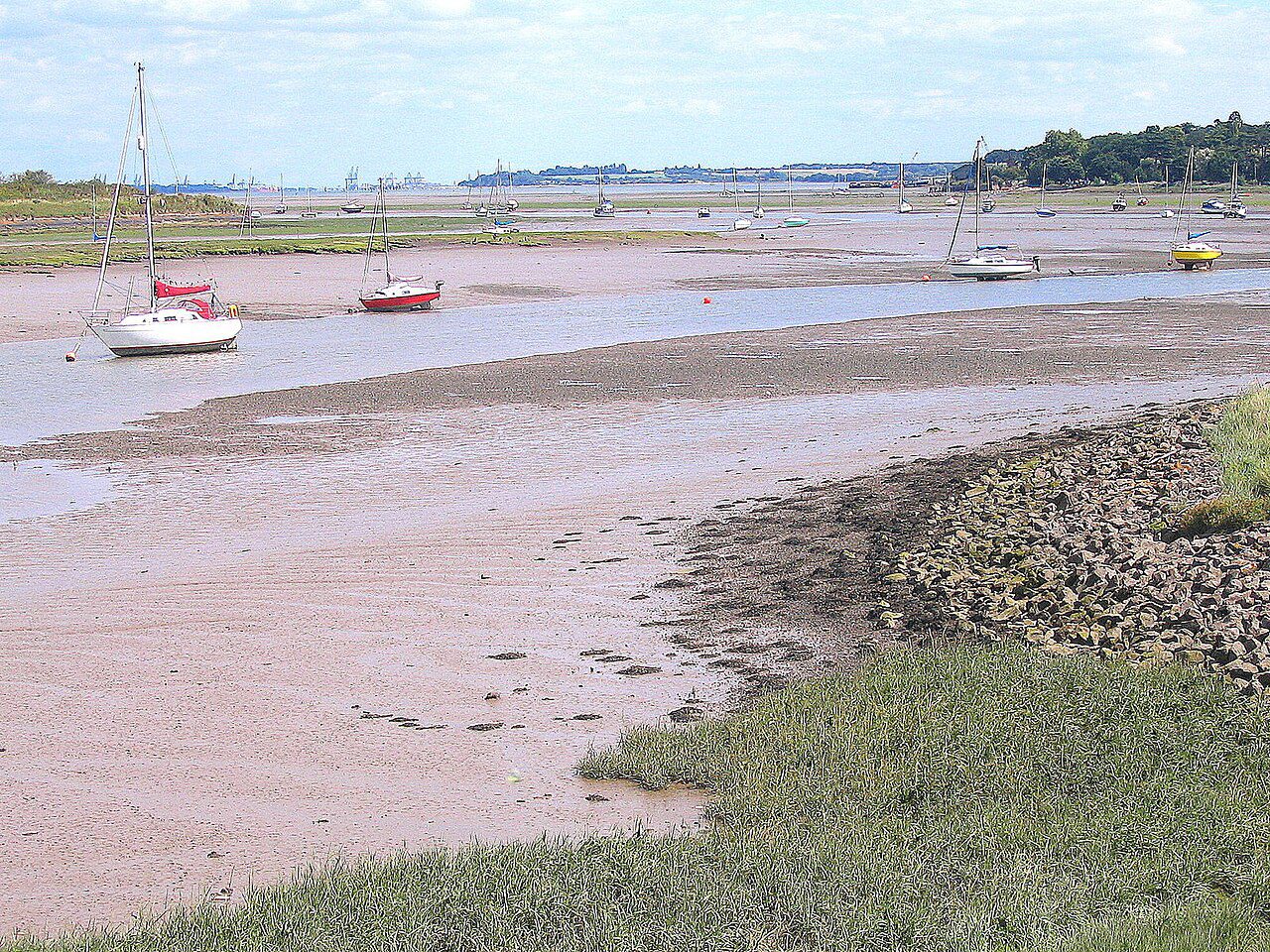
For manningtree things to do, start where the town sits on the south bank of the River Stour, just where the river begins to widen into the estuary and the horizon opens out over the water. It is often described as one of England's smallest towns, and on a quiet morning when the tide is in and there is nothing on the waterfront but a handful of swans and some moored boats, that particular claim feels entirely plausible.
The town is ten miles or so northeast of Colchester and, in character, about as different from it as a place that close can reasonably be: quieter, stranger in its own way, and with a history that takes some unexpected turns once you start looking.
Table of Contents
The History: Matthew Hopkins and the Walking with Witches Trail
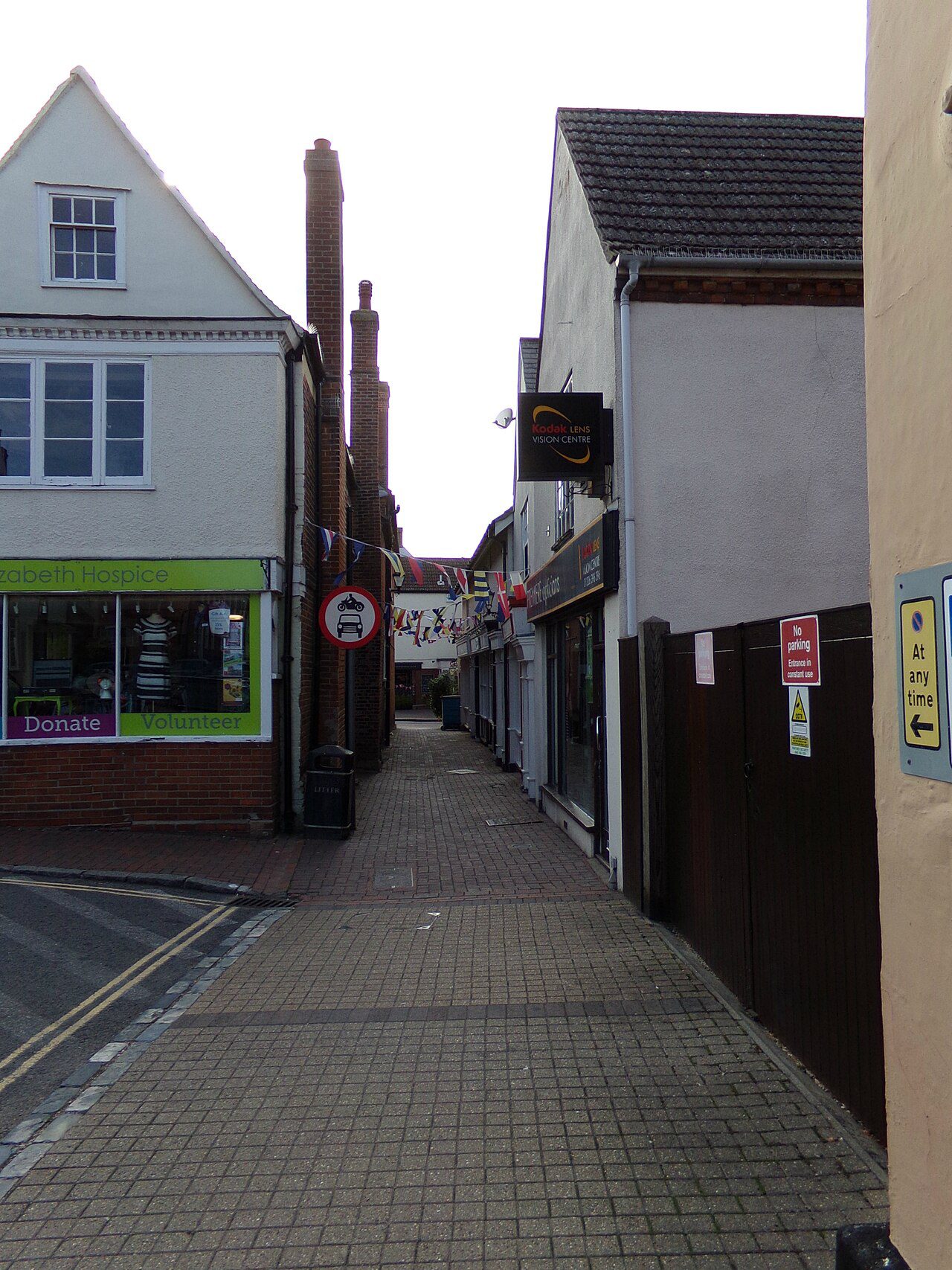

Most people who visit Manningtree arrive knowing the Matthew Hopkins story, and it is worth understanding properly rather than in outline. Hopkins was a self-appointed Witchfinder General who lived in Manningtree in the 1640s and was responsible for more prosecutions and executions on charges of witchcraft than in any comparable period of English history, a figure who sits somewhere between paranoid opportunist and calculating self-publicist, depending on which account you find most convincing. It is an uncomfortable piece of the town's past, and Manningtree does not shy away from it.
The Walking with Witches Trail follows a marked route through the town using interpretation boards to set out what happened and where. It takes about an hour to complete and is worth doing even if you have no particular interest in history, because the route covers parts of Manningtree that visitors following the high street alone would not reach.
The North House Gallery on the High Street offers a quieter kind of hour. It runs changing exhibitions focused on a single artist at a time, rotating roughly every five weeks, with work drawn from East Anglian, national, and international artists across painting, drawing, print, and sculpture. The programme changes often enough that it is worth checking before you go if you have a specific interest.
Mistley: A Short Walk Along the Waterfront
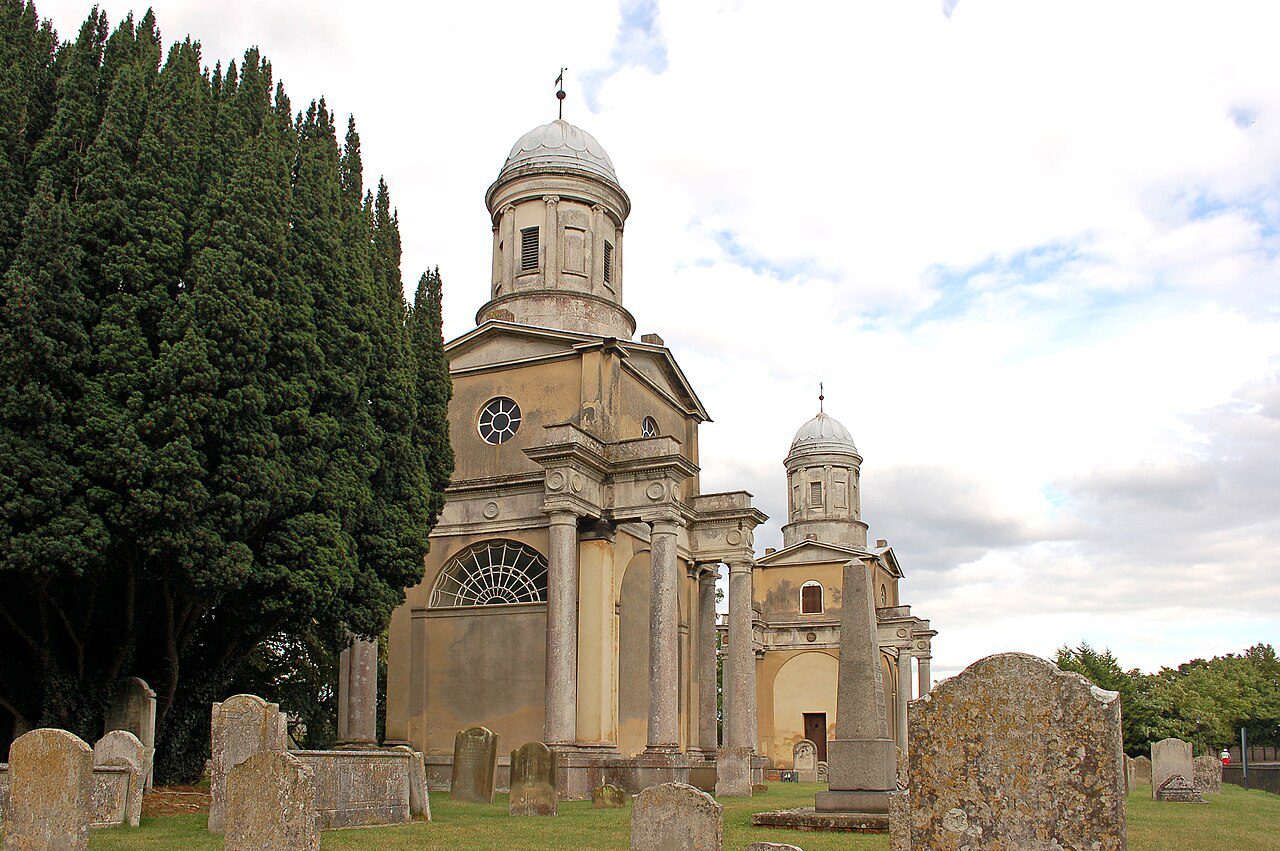

Manningtree and Mistley are close enough that most visitors treat them as one destination, walking between the two along the waterfront in well under half an hour. Mistley has one specific thing worth going for: the Mistley Towers, two porticoed classical towers designed by Robert Adam in 1776 for a Georgian church that no longer stands.
They remain at either end of an open waterfront space, slightly surreal in their formal grandeur against the broad backdrop of the Stour, and they are the kind of thing that people photograph and then stand in front of for a while trying to work out exactly how they feel about them. The Mistley Swan Fountain, a short walk away, is another pleasant stopping point before heading back along the water.
Worth knowing about, if you are going further afield: A House for Essex, the building designed by Grayson Perry and FAT Architecture, is located near Wrabness, about three miles east of Manningtree along the Stour. It functions as both artwork and accommodation, bookable through Living Architecture, and even glimpsed from the road it is immediately unlike anything else in the county. Whether or not you go in, it is an odd and interesting addition to a drive along this stretch of river.
Walking the Stour Estuary
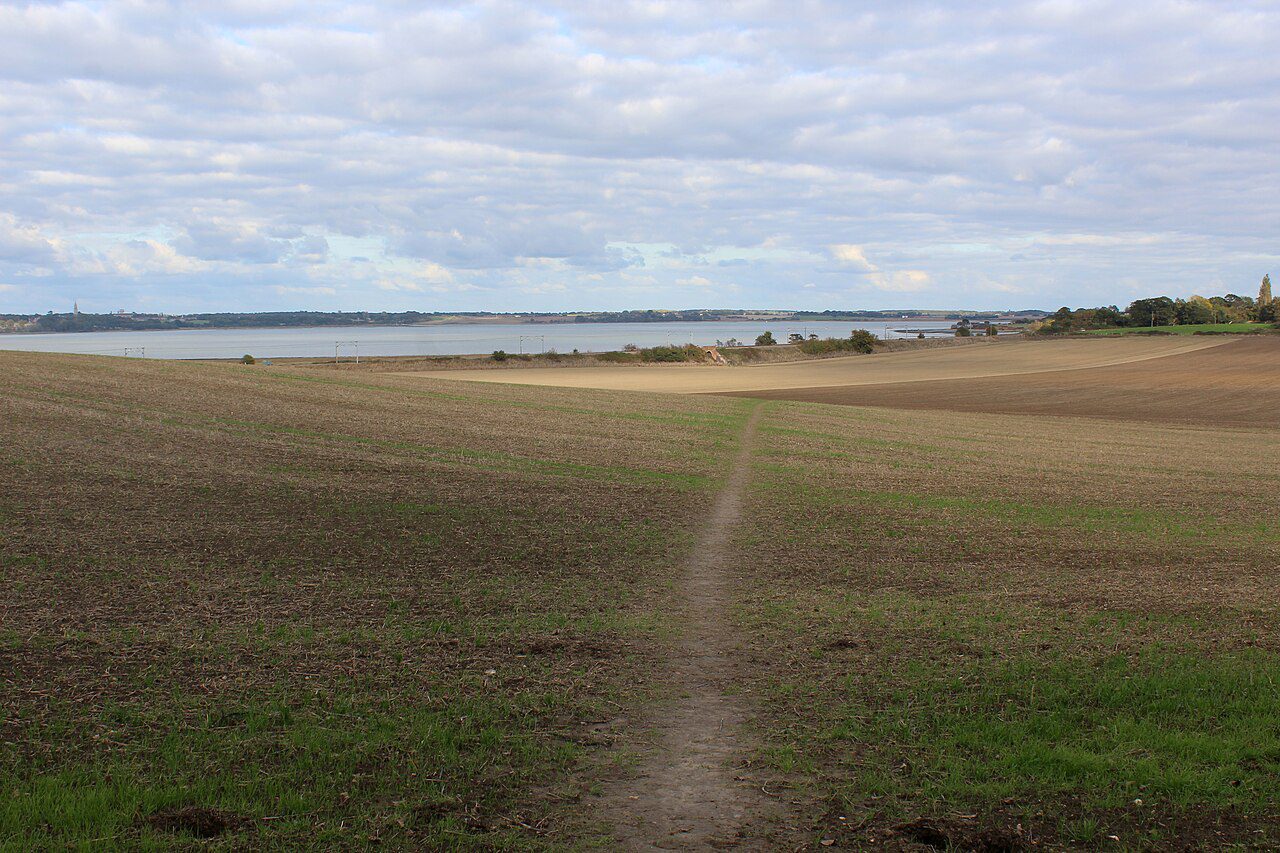

The estuary is what gives Manningtree its particular character, and it rewards more attention than a glance from the waterfront. Wrabness Nature Reserve, about three miles from the town along the river, covers 27 hectares of mixed habitat and has walking paths with open views over the estuary and the Suffolk coast on the far bank. It works in any season, though the winter light on the mud flats and the wide sky above can be genuinely good on a clear morning in a way that the summer crowds sometimes obscure.
The Rigby Ramble
Of the outdoor manningtree things to do, one walk worth picking out is the Rigby Ramble, an easy two-mile circular route that passes landmarks associated with the Rigby family and uses a mix of roads, tracks, and field paths to cover parts of the town that most visitors miss. It is well suited to a morning's walk before lunch and can be completed comfortably in under two hours. Full details are available on the Manningtree Museum website.
Among manningtree things to do, the Stour Sailing Club runs watersports activities in the summer months, which is a practical option if you want to be on the water rather than beside it.
Where to Eat
Lucca Enoteca is the restaurant most associated with Manningtree, and it consistently earns the reputation. It serves handmade Neapolitan pizza, wood-fired and made with ingredients sourced from Italy, alongside antipasti, salads, and daily specials. It is the kind of place that concentrates on doing one thing properly rather than spreading across a broad menu, which in a town this size is exactly the right call.
For something lighter, Hobson's Deli and Cafe is a practical stop on the High Street for coffee and food mid-walk, and both Cafe Rio and Seven South Street are well-regarded options for a break during the day. The Mogul handles the Indian end of the evening well and is popular with locals and visitors alike.
The Emporium and the High Street
Manningtree has more independent shops than its size would suggest. Manningtree Emporium is the one most worth an unplanned half hour: thousands of local, vintage, and antique items across a range of categories, the kind of shop where you go in with a loose intention and come out with three things you had no particular need for and no real regret about. Frippery on the High Street carries clothing, accessories, and gifts with stock that rotates often, and is a reasonable first stop if you want something other than chain retail.
For manningtree things to do, this is not a place to come for major shopping. It is a place to come for a specific kind of afternoon: a walk, something to eat, a bit of browsing, and a drive home through good countryside.
More Manningtree Things to Do Nearby
It is worth mentioning, because visitors often combine the two: Dedham is about eight miles from Manningtree by road, which makes a combined day very manageable. Flatford Mill, managed by the National Trust and directly associated with Constable's most famous paintings, is within that same area, and the walk between Dedham and the mill along the River Stour is one of the more genuinely rewarding short walks in Essex. The countryside Constable painted here still earns the attention he gave it. If you are staying in the area and have not yet made the trip to Dedham, our guide to things to do in Dedham covers what is worth your time there.
Where to Stay
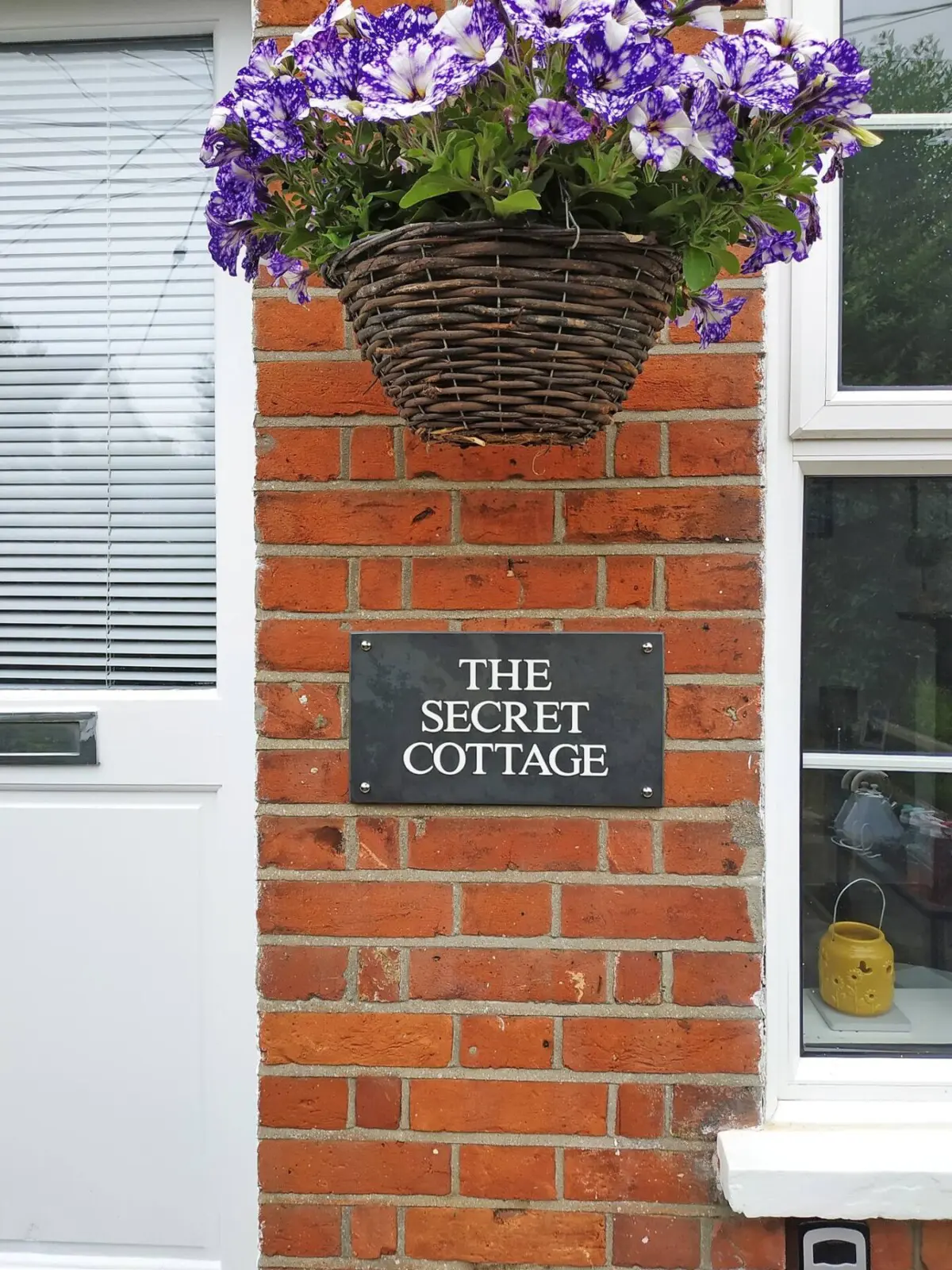
For manningtree things to do, the nearest Clever Cottages properties are Number 11 and The Round House, both in Colchester, which is about fifteen minutes by car from Manningtree. There is also a direct train between Colchester North station and Manningtree that runs regularly, which makes it easy to leave the car behind and walk straight off the platform into the town.
Both Colchester properties are dog-friendly, which is practical if Wrabness Nature Reserve or the estuary walks are on the itinerary. At both properties you can park for free, and arrival is self-check-in from 3pm with no need to coordinate with anyone. The stairs in all our properties are steep, so if that is a consideration it is worth knowing before you book. If you would like to book directly rather than through a platform, you can do so through the Clever Cottages website and you will deal directly with Kate from the start, with no booking platform fee added on top.
FAQ
What is Manningtree famous for?
Manningtree is most often associated with Matthew Hopkins, the 17th-century Witchfinder General who lived here and was responsible for more witchcraft prosecutions than in any equivalent period in English history. The town is also known for the Mistley Towers nearby, two Robert Adam-designed classical towers on the Stour waterfront, and for its claim to be one of England's smallest towns.
How far is Manningtree from Colchester?
Manningtree is about ten miles northeast of Colchester and takes around 15 to 20 minutes by car. There is a regular Greater Anglia train service between Colchester North and Manningtree on the Norwich and Ipswich line.
Is Manningtree dog-friendly?
The estuary walks and Wrabness Nature Reserve are well suited to dogs, with open paths and good space. The town itself is generally dog-friendly. If you are visiting with a dog, the nature reserve and the riverside routes offer the most freedom.
Can I combine Manningtree with a visit to Dedham?
Yes, easily. Dedham is about eight miles away and the two work well as a combined day. Flatford Mill is in the same area, and the walk between Dedham and the mill along the River Stour is worth making the trip on its own. Splitting the day works well, with one town in the morning and the other in the afternoon.
How long does a visit to Manningtree take?
For most manningtree things to do, visits run between two and four hours, depending on whether you walk to Mistley, do one of the nature reserve routes, and stop for food. A full day only becomes necessary if you are combining Manningtree with Dedham or spending time on the water.
Planning a visit to Wivenhoe and Colchester?
Get our free local guide, written by the owners of four dog-friendly cottages in the area.
Or browse our cottages in Wivenhoe and Colchester if you are looking for somewhere to stay.