
Most people who have been to Wivenhoe know about the Wivenhoe ferry in the abstract, in the way you know about a thing that sounds like exactly your kind of afternoon if only you could work out when it actually runs. The answer is: it depends on the tides, which makes checking the timetable before you go non-negotiable rather than advisable.
The Wivenhoe, Fingringhoe and Rowhedge Ferry connects Wivenhoe to the village of Rowhedge on the opposite bank of the River Colne, with a stop at Fingringhoe available if you ask the skipper. Run at weekends from April to October by local volunteers, the ferry operates as a Community Interest Company licensed by Tendring District Council. The crossing takes about ten minutes each way.
Table of Contents
When It Runs
The ferry operates most weekends from Easter through to October, but the departure times change each week to follow the tides. This is not a fixed schedule you can commit to memory and plan around without checking. The ferry website publishes the timetable as a downloadable PDF and in a Google Sheets version; the Facebook page carries updates when weather or volunteer availability affects the day.
Worth knowing before you go: the final time listed on the timetable is when operations finish for the day, not when the last crossing departs. Arrive at the Wivenhoe pontoon at least 25 to 30 minutes before that listed end time if you want to catch the last boat back. It is the kind of thing that sounds obvious until it is not.
The fare is £2 per trip, payable by cash or contactless. The service carries a maximum of ten passengers at a time. No advance booking is needed.
Rowhedge: What You Find on the Other Side
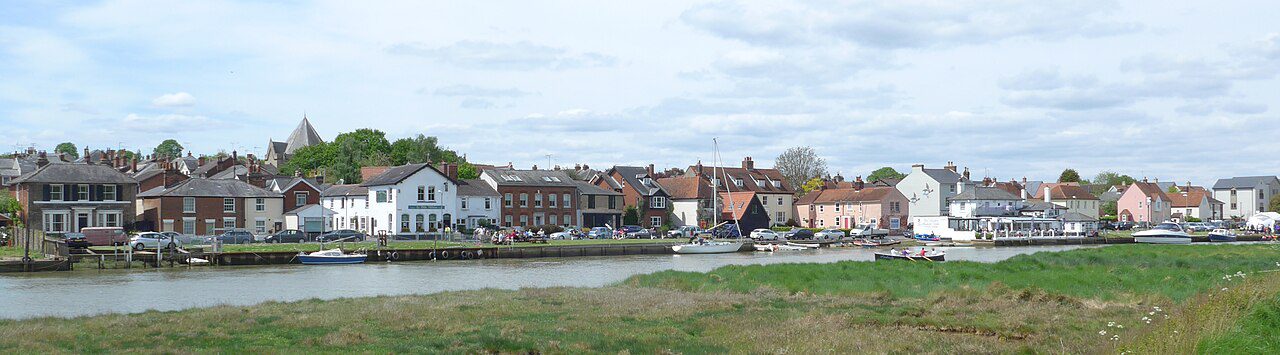
Across the river and about three miles south-east of Colchester, Rowhedge sits on the eastern bank of the Colne with a history shaped entirely by the water it looks onto. The quay still carries a working quality, a solidity, that a lot of Essex waterfront villages have gradually lost to café conversion and managed parking. The boat-building industry that brought the village its prosperity in the 19th century is long gone, but the character of the place remains rooted in what the river once demanded of it.
There are two pubs. The Anchor sits directly on the riverbank, with views up and down the Colne that make sitting outside for an hour a reasonable proposition on almost any dry afternoon. Ye Olde Albion is a short walk from the bank and has tables outside that catch the sun well into the evening in summer. Either works as a basis for the afternoon after the crossing, and having two means there is always somewhere to go if one is unexpectedly full.
If you want to stretch the visit beyond the pub, Rowhedge Woods Nature Reserve has woodland paths that take you away from the riverbank entirely, which can be a welcome change of gear after time on the water. The Church of Saint Lawrence is worth a few minutes if you are passing. And in summer, the Rowhedge Regatta brings a particular kind of festivity to the village that is worth building a visit around if the dates line up.
The Fingringhoe Option
The ferry stops at Fingringhoe by request to the skipper, which opens up a rather different day if you want one. Fingringhoe Wick is Essex Wildlife Trust's first nature reserve, established in 1961, now a designated Site of Special Scientific Interest covering more than 200 acres of estuary-edge landscape overlooking the River Colne. The reserve is home to over 200 species of birds, 27 species of dragonflies and damselflies, and 24 butterfly species, alongside adders, badgers, and more than 350 species of flowering plants, which is rather more than most people expect from a short boat trip and a walk.
Three circular trails run through the reserve, from a 1.5 km gentle loop that takes around 25 minutes to a 3 km route that takes about an hour. If you are planning the reserve via the ferry, factor in the walk from the Fingringhoe landing point to the reserve entrance, and build in enough time to return to the pontoon before operations finish for the day. The calculation is worth doing in advance rather than at the reserve gate.
A Note on Planning
The ferry is one of those genuinely local, genuinely contingent pleasures that rewards a small amount of advance preparation and punishes visitors who arrive assuming the boat will be there waiting. Check the timetable at wivenhoerowhedgeferry.co.uk, follow the service on Facebook for same-day updates, and build your plans around the tides rather than assuming the crossings will fit your schedule. The reward for this small effort is ten minutes on the River Colne on a weekend morning, which turns out to be well worth it.
If your visit happens to fall on the weekend of the Rowhedge Sea Shanty Festival in July, the coincidence is a particularly good one.
Staying in Wivenhoe
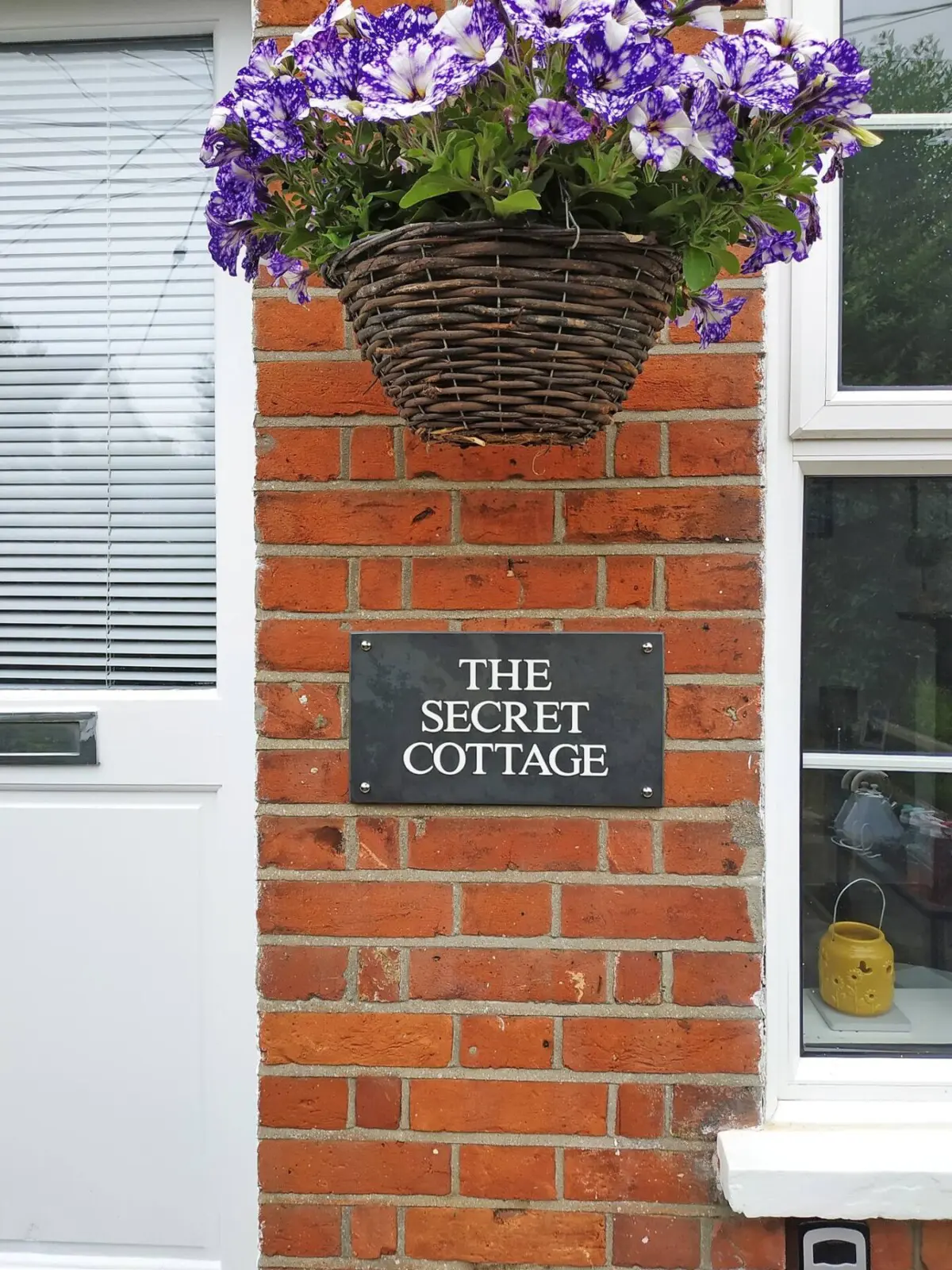
Secret Cottage and Queen's Cottage are both in Wivenhoe, within easy walking distance of the waterfront and the ferry pontoon. For a weekend built around the crossing, the town is entirely walkable, free parking is available at both properties, and Wivenhoe station is a short walk away for the train to Colchester in under ten minutes or Liverpool Street in around an hour. Both properties welcome dogs. All Clever Cottages properties have steep stairs, which may not suit guests with mobility difficulties or very young children. If you would like to book directly rather than through a third-party platform, you can do so on the Clever Cottages website.
For more on the town and what is here, the guide to things to do in Wivenhoe covers the river walks, the pubs, and what makes the place worth a proper weekend rather than an afternoon.
Frequently Asked Questions
Does the Wivenhoe ferry run every day?
No. The ferry operates at weekends only, from April to October. It does not run on weekdays or outside that seasonal window. Departure times change each week according to the tides, so check the timetable at the ferry website rather than relying on fixed times.
How much does the Wivenhoe ferry cost?
The fare is £2 per crossing, payable by cash or contactless. There is no advance booking.
Where does the Wivenhoe ferry go?
The ferry runs from Wivenhoe to Rowhedge, a small riverside village on the eastern bank of the River Colne, with a stop at Fingringhoe available on request to the skipper. Rowhedge has two pubs and Rowhedge Woods Nature Reserve. The Fingringhoe stop gives access to Fingringhoe Wick Nature Discovery Park, Essex Wildlife Trust's first nature reserve.
Can I take my dog on the Wivenhoe ferry?
The ferry's policy on dogs is not stated on the website. Get in touch with the service directly before visiting if you are planning to bring a dog.
How do I know if the ferry is running on a particular day?
The full timetable is published at wivenhoerowhedgeferry.co.uk, including a downloadable PDF for the season. The Facebook page carries real-time updates when weather or volunteer availability affects the service.
Planning a visit to Wivenhoe?
Get our free local guide, written by the owners of four dog-friendly cottages in the area.
Or browse our cottages in Wivenhoe and Colchester if you are looking for somewhere to stay.