
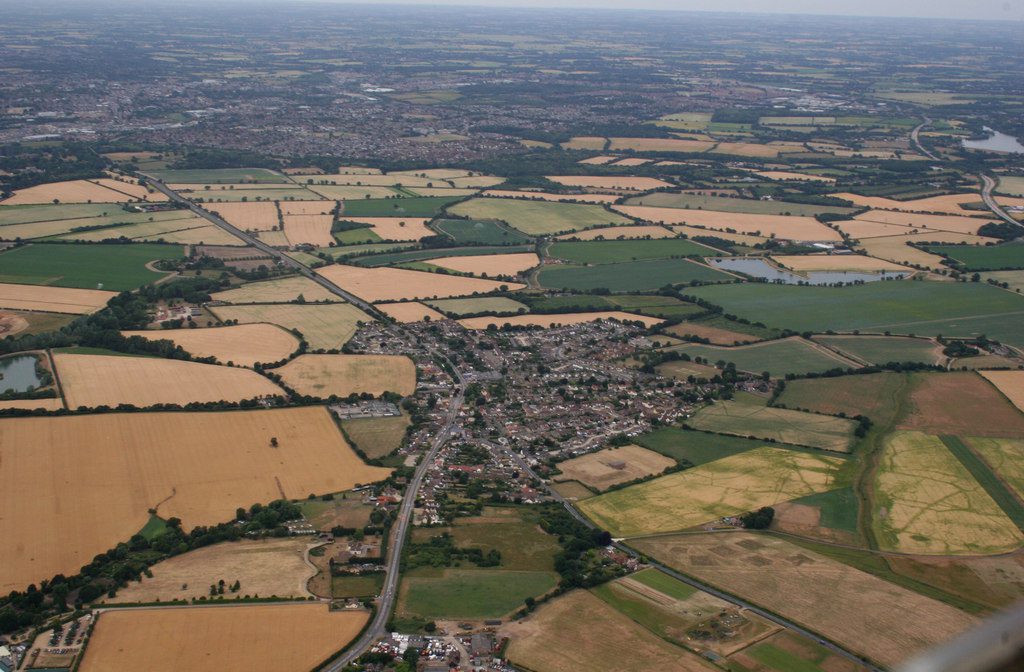
Beth Chatto Gardens sits on the A133, four miles east of Colchester on the road toward Clacton, in the village of Elmstead Market. It is not somewhere you stumble across, but it is the kind of place that rewards a deliberate journey: seven acres of gardens, nursery, and tearoom built from unpromising wasteland in 1960, on land with thin gravel soil at one end and boggy, waterlogged ground at the other.
What was made at Beth Chatto Gardens over the following decades has become one of the most referenced garden legacies in England, and the best way to understand it is to arrive knowing what problem it was trying to solve.
Table of Contents
The idea behind the gardens
Beth Chatto worked with conditions that most gardeners would consider a problem: the dry, free-draining gravel, the damp ground beside the spring-fed ditch, and the deep shade under the oaks. Her response was not to impose plants on unsuitable ground but to find the plants that were already adapted to those conditions, drawn from habitats around the world that mirrored the site. The principle she called "right plant, right place" was a quiet argument against the way most gardens were managed.
The result at Beth Chatto Gardens is a garden that looks naturalistic because it essentially is, each area planted in sympathy with what the soil and water are already doing. If you walk through without knowing this, the coherence of the planting can feel almost accidental. If you arrive knowing it, the whole thing reads differently.
The three garden areas
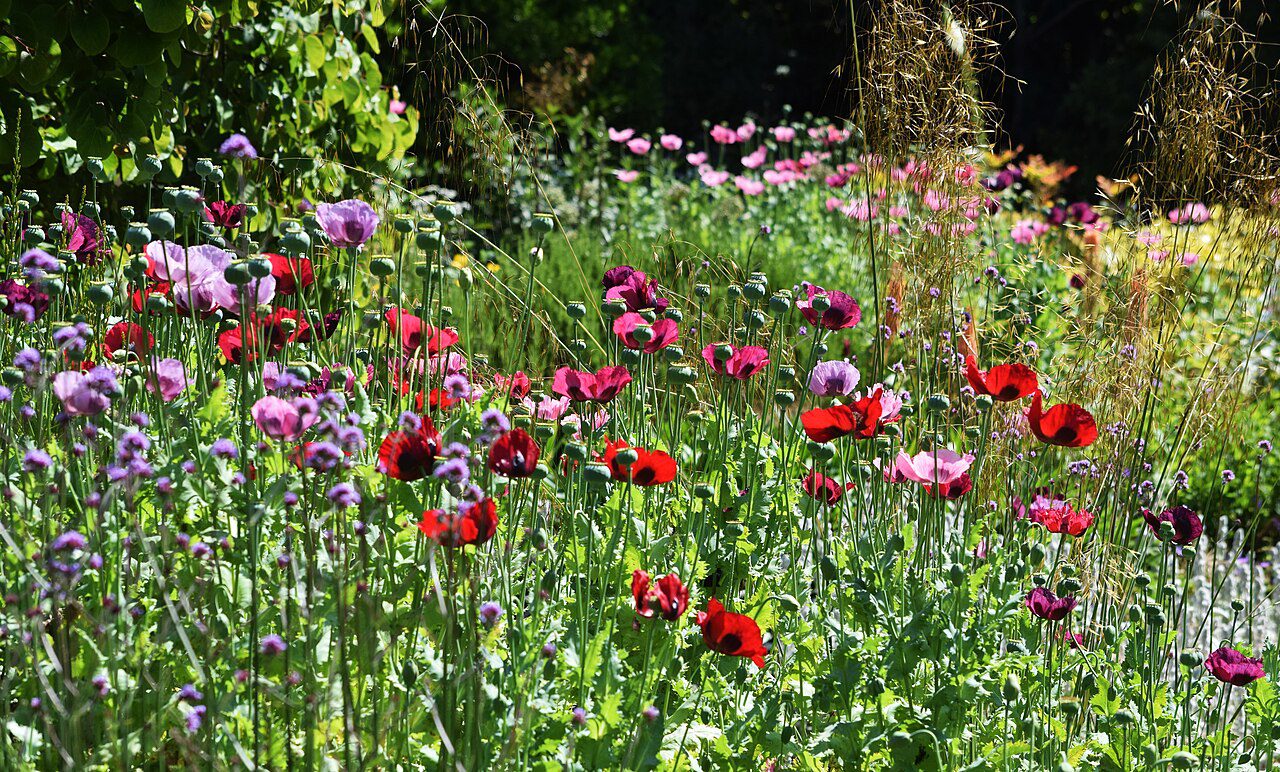
The Gravel Garden is the first area most visitors encounter, and it is the most famous part of the site. It was created in 1992 on the former car park, which covered about half an acre of thin, stony ground over Essex chalk, and it has never been irrigated since the day it was planted. The planting draws on drought-tolerant species from habitats similar to those Chatto encountered on a dried river bed in New Zealand, and none of it has been watered since it went in.
Come late spring and through summer, the result is something surprisingly full and colourful for a garden that runs on principle rather than irrigation, which makes a strong argument that difficult ground is not a reason to give up on a garden.
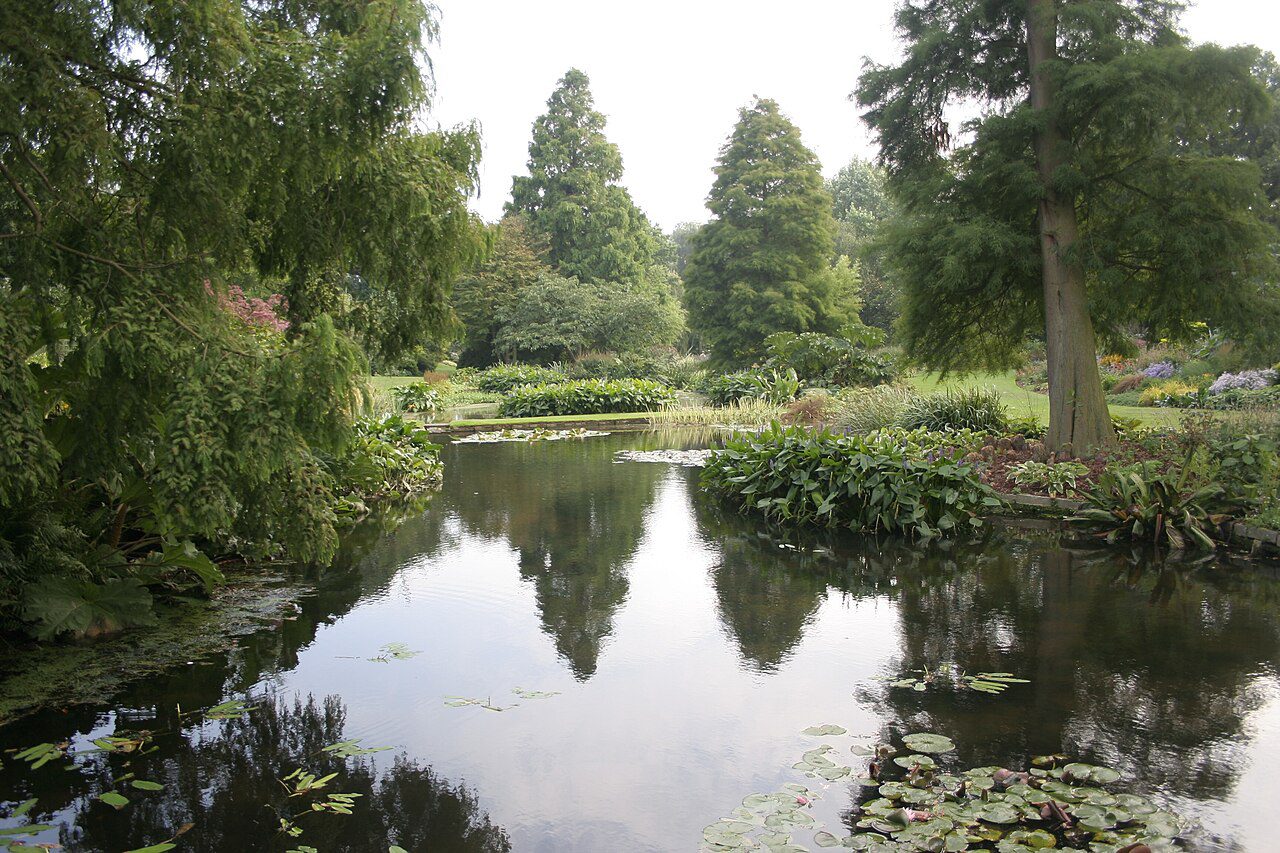
If the Gravel Garden is the argument, the Water Garden is the counterpoint. It was made by damming a spring-fed ditch that ran through the lower boggy ground, and the four large ponds that formed are planted with moisture-loving and marginal species that bear almost no resemblance to what grows in the gravel fifty metres away. Step from one into the other and the change is immediate: cool, shaded, dense, and considerably wetter underfoot than you might expect. It is at its most impressive from May onwards, and on a warm day there is something specifically pleasant about walking from the open heat of the Gravel Garden into the shade and green dampness of the water's edge.
The Woodland Garden
Worth noting for anyone visiting in winter or early spring: the Woodland Garden is the area that repays a visit in the colder months. After the great storm of October 1987 cleared parts of the site, the surviving trees, mostly hundred-year-old oaks, were underplanted with shade-tolerant species from temperate regions across the world. From February onward the woodland floor fills with snowdrops, hellebores, and daffodils, followed by trilliums and erythroniums flowering in succession through the dappled understorey.
Trilliums and erythroniums rarely appear outside specialist nurseries. Coming across them in a proper naturalistic planting under the oaks, in February or March, when most gardens in Essex have very little to offer, is one of those reasons a visit to Beth Chatto Gardens makes more of an impression than you expect it to.
The one thing to accept about Beth Chatto Gardens is that no single visit catches all three areas at their best. The Woodland peaks in early spring, the Gravel and Water Gardens from late spring through summer, and early June is probably the reasonable compromise if you can only come once. If you find yourself planning a second visit, that is fairly normal.
The nursery and tearoom
Gardeners tend to spend at least as long in the nursery as they do in the gardens proper, partly because the stock is wider than most commercial centres carry, and partly because they have just come from the Gravel Garden wondering what half of it was and the labels here are specific enough to be useful. Many of the plants sold are grown on the same site. The tearoom seats around a hundred people, is open throughout the year, and serves light lunches and refreshments; there is a covered outdoor area overlooking the Gravel Garden, which is a reasonable way to spend half an hour if the weather allows.
Workshops are also available, covering practical subjects including taking cuttings and creating rockeries at Beth Chatto Gardens. Worth checking the Beth Chatto Gardens website if that is part of what you are looking for.
Planning your visit
Beth Chatto Gardens is open Thursday, Friday, and Saturday from 10am to 4pm, all year except for a two-week closure over Christmas and New Year. Pre-booked tickets are £14.95 for adults, £7.95 for students, and £3.50 for children aged 2 to 16; on the day the prices are £15.95, £8.95, and £4.50 respectively. The site is card-only. There is free parking on site, including spaces for coaches.
The Line 76 bus runs from Colchester to Elmstead Market in around 26 minutes. By car from Colchester town centre the drive takes approximately nine minutes along the A133, and the gardens are well signposted from the road.
One practical note for anyone travelling with a dog: dogs are not permitted in the gardens, with the exception of registered medical assistance dogs. There is no dog-sitting provision on site, and this is worth planning around if your dog is not the type to be left in a car for two or three hours. If you are staying at one of the Clever Cottages properties in Colchester, leaving your dog settled at the cottage is the more comfortable option for a morning or afternoon visit.
Where to stay
Number 11 and The Round House are both in Colchester town centre, about nine minutes from Beth Chatto Gardens by car. Both are two-bedroom properties with free parking outside and self-check-in from 3pm, which makes the logistics of an early start straightforward. Both properties are dog-friendly, though guests visiting the gardens will want to settle their dog at the cottage first. Please note that the stairs in both properties are steep, which may not suit guests with mobility issues.
For more information and direct booking near Beth Chatto Gardens, visit the Clever Cottages website where current availability is kept up to date. Booking directly means you avoid the platform fee and have direct contact from the start.
If you are planning a longer stay in the area, Highwoods Country Park is a good option for a full walk with a dog on the day you visit the gardens, Dedham Vale is worth a half-day for anyone interested in the landscape Constable painted, and Colchester Castle covers several hours if the weather turns. For other ideas, things to do in the area are covered elsewhere on the site.
FAQ
How far is Beth Chatto Gardens from Colchester?
Beth Chatto Gardens is about four miles east of Colchester, in the village of Elmstead Market on the A133 toward Clacton. From the town centre it is around a nine-minute drive. The Line 76 bus from Colchester takes approximately 26 minutes.
What is the best time of year to visit?
Each part of the garden has its own season. The Woodland Garden is at its best between February and April when the spring bulbs are in flower. The Gravel Garden peaks from late spring through summer, and the Water Garden is at its lushest from May onwards. For anyone wanting to see all three areas in reasonable form, late May or early June is a good compromise.
Can I bring my dog to Beth Chatto Gardens?
Dogs are not permitted in the gardens, except for registered medical assistance dogs. There is no dog-sitting provision on site. If you are staying at one of the Clever Cottages properties in Colchester, you can leave your dog comfortably at the property during your visit, as both Number 11 and The Round House are dog-friendly.
Is there parking at Beth Chatto Gardens?
There is free parking on site, including spaces for coaches. Pre-booking your entry tickets online saves a small amount on admission and avoids any wait at the visitor information centre.
Does Beth Chatto Gardens have a café?
Yes. The tearoom is open throughout the year and seats around a hundred people, serving light lunches and refreshments. There is seating indoors and a covered outdoor area overlooking the Gravel Garden. The nursery and gardener's shop are also open year round on the same days as the gardens.
Planning a visit to Wivenhoe and Colchester?
Get our free local guide, written by the owners of four dog-friendly cottages in the area.
Or browse our cottages in Wivenhoe and Colchester if you are looking for somewhere to stay.