
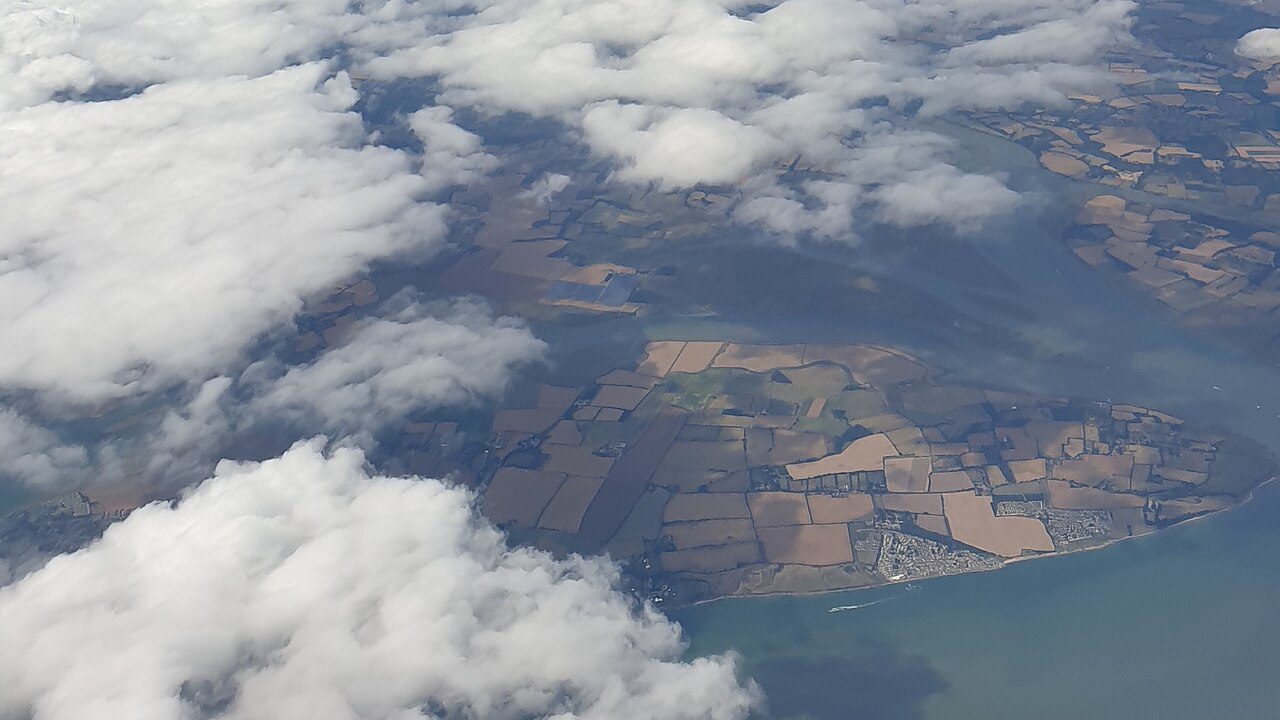
Mersea Island sits where the River Colne meets the Blackwater Estuary, connected to the mainland by the Strood, a low causeway that floods at high tide and turns the island into something genuinely separate from the rest of Essex. Most people know Mersea for the oysters, and that reputation is well earned, but the Mersea Island walk is the quieter draw, the one that brings people back on days when they have no interest in seafood at all.
Table of Contents
The Full Circular Walk
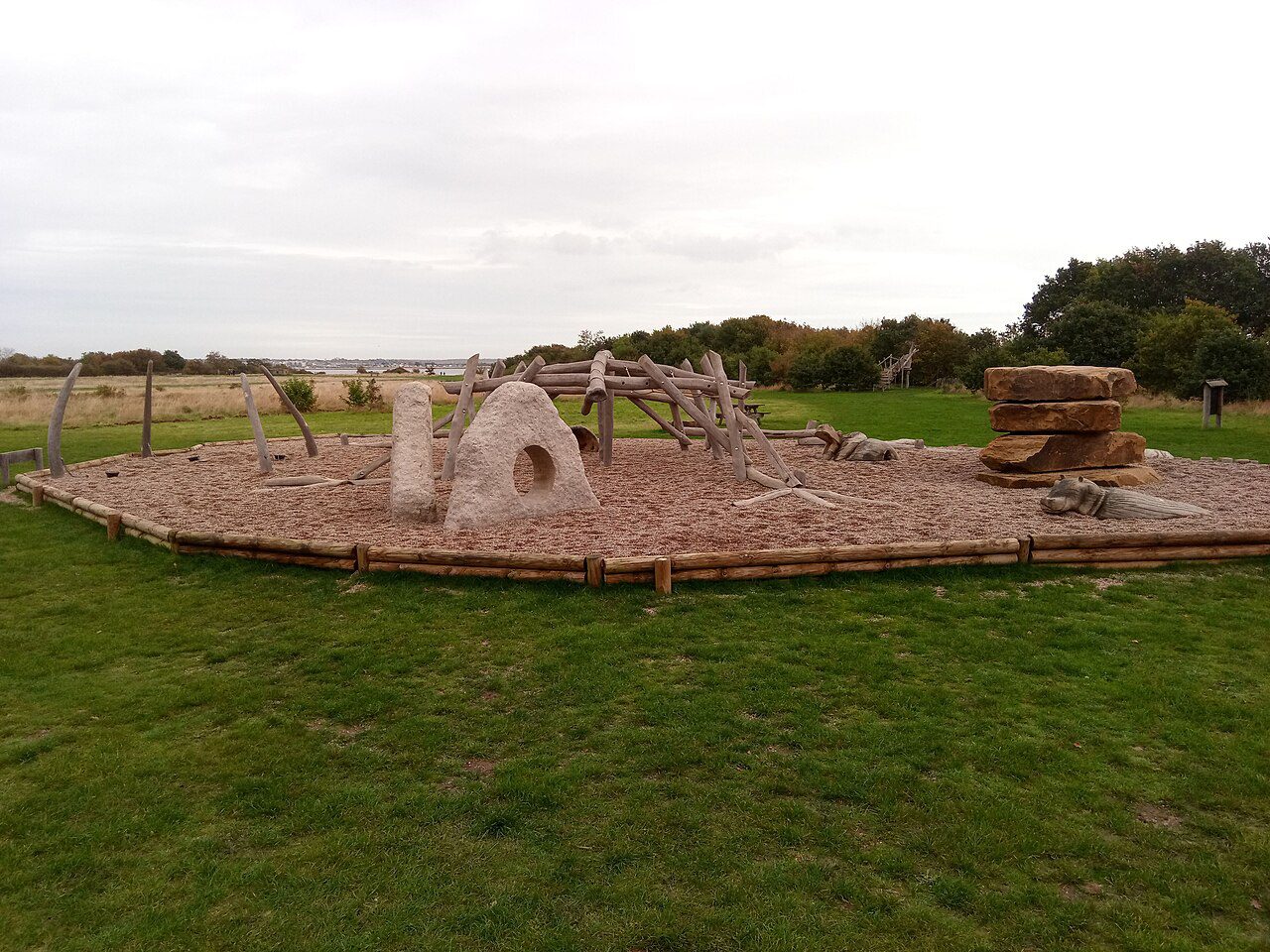
The complete island circuit covers roughly 13 miles and takes between five and six hours at a comfortable pace, following the coastline from West Mersea along the south shore facing the Blackwater Estuary, around the eastern tip at Cudmore Grove, and back along the quieter northern shore above the Pyefleet Channel. The terrain is flat throughout, mostly sea wall paths and field edges, which makes the distance deceptive because there is nothing to slow you down except the views. Proper walking shoes are worth bringing, particularly for the northern stretches where the path can turn muddy after rain, and the marshes are exposed enough that the wind earns its keep.
You can start from the Coast Road car park in West Mersea, which has toilets and enough space on a weekday, though summer weekends fill it early. Walking clockwise takes you along the beach huts first, saves the marshes for the afternoon light, and brings you back to the pubs and oyster sheds when you are ready for them.
The South Coast: Beach Huts and the Blackwater
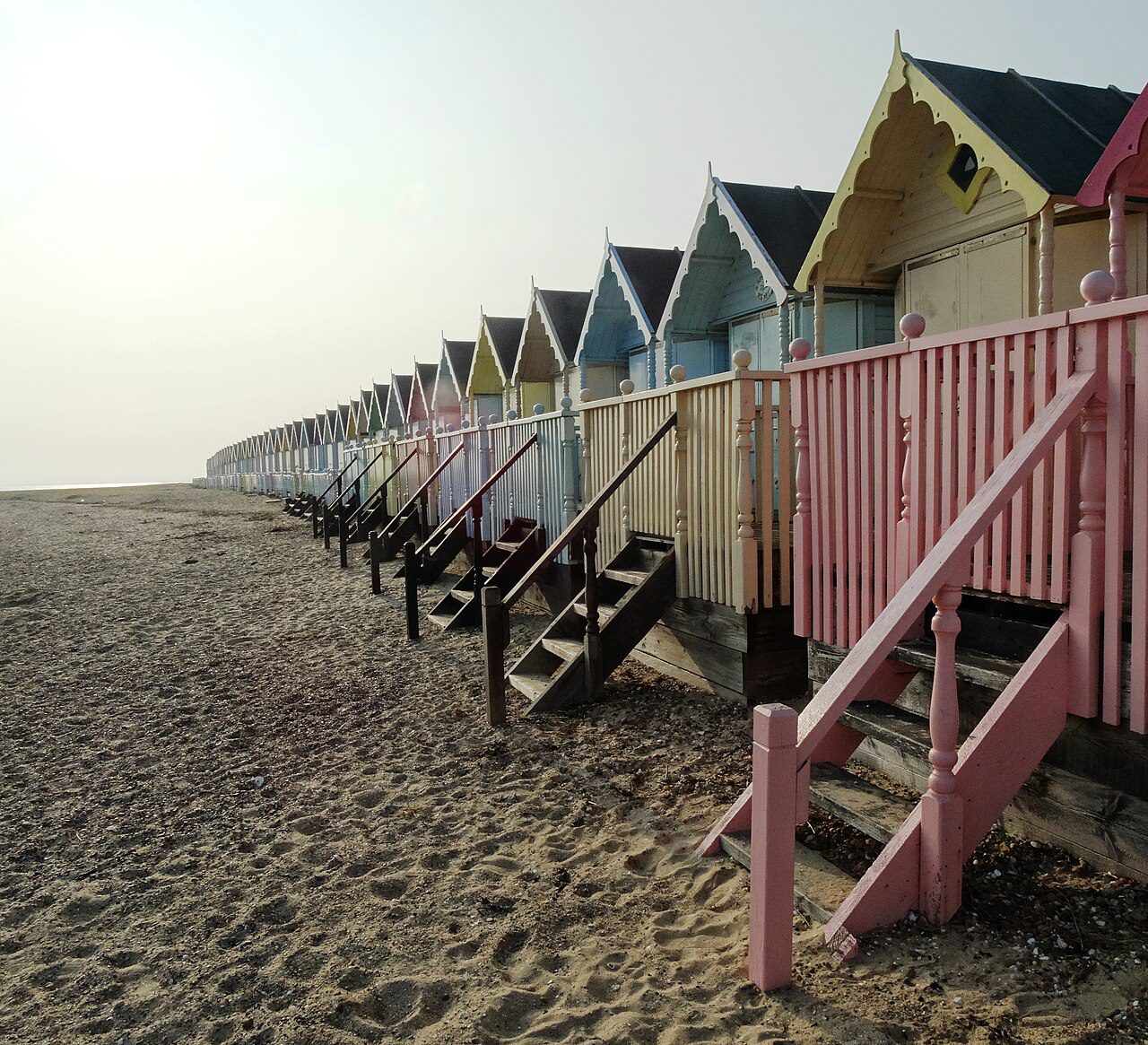

The southern shore is the sociable side of the island, the stretch where the painted beach huts line the path, Monkey Beach sits just past the boardwalk that makes the approach easier underfoot, and the Blackwater Estuary opens out flat and wide to the south. On a clear day the light across the water has a particular quality, expansive and still, and if the wind is right the sailboats at anchor make the whole scene feel like something from a different decade entirely.
West Mersea itself has good places to stop for food, and if you are walking the full loop this is the natural starting and finishing point. The Company Shed and the West Mersea Oyster Bar are both within reach of the car park, and for anyone interested in the oyster side of things, there is a separate guide to West Mersea's oyster scene on the Clever Cottages site.
Cudmore Grove and the Eastern Tip
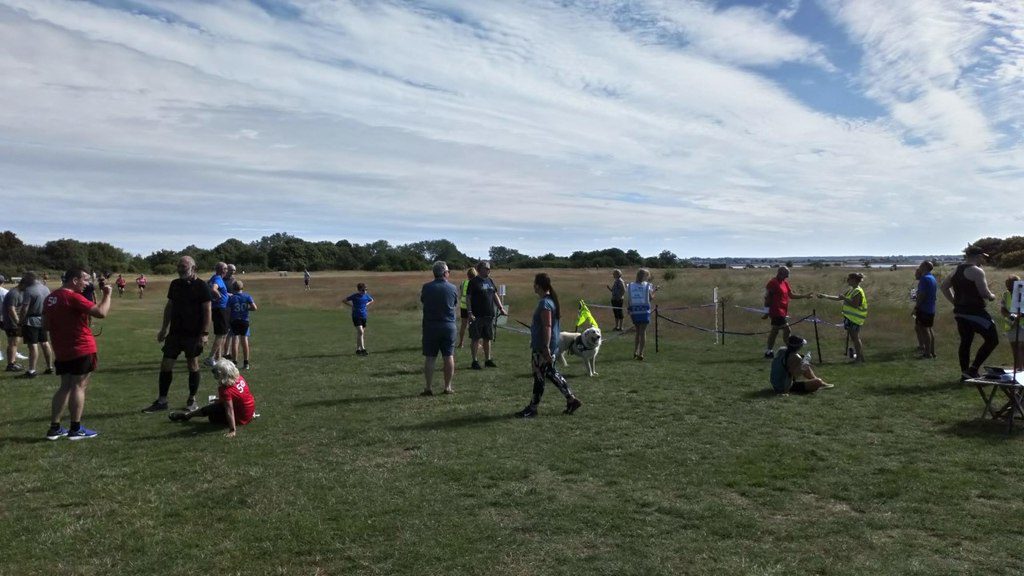

Cudmore Grove Country Park sits at the island's eastern end where the two estuaries meet, covering around 102 acres of grassland, coastal scrub, and a sandy beach backed by low crumbling cliffs. The park is managed by Essex County Council and is free to enter, with its own car park, toilets, and a seasonal cafe, which makes it a reasonable destination in its own right if the full circuit feels too ambitious.
The cliff face here has produced fossils dating back 300,000 years, and you will sometimes spot fragments of ancient shell and bone in the eroded layers if you look carefully enough. WWII pillboxes and gun emplacements are scattered around the headland, slowly losing their battle with the vegetation, and red squirrels were reintroduced to the park in 2012. The grassland meadows are good for butterflies in summer and the birdlife is varied enough year-round that you could spend an hour here with binoculars and still feel you had missed something.
The North Coast: Marshes and Quiet
The northern shore is the opposite of the south in almost every respect. Where the south has beach huts and cafes, the north has saltmarsh, tidal creeks, and wading birds, and the path runs above the Pyefleet Channel with views across to Ray Island Nature Reserve, a National Trust site accessible only on foot at low tide.
This stretch is quieter and lonelier, particularly in winter when the birdwatchers come for the curlews, redshanks, brent geese, and occasional hen harriers that work the marshes. The light shifts constantly across the flat water and the mudflats, and if you time the walk to catch the northern shore in the late afternoon, the view is the kind of thing that makes people stop talking for a while.
Shorter Walks
The full 13-mile loop is a proper day out, but there are good shorter routes that cover real ground without requiring that level of commitment. The West Mersea coastal walk runs about 5.5 miles along the south shore and back through the village, taking two to two and a half hours and catching the best of the beach huts, the estuary views, and the food options at either end. If you want something gentler, the circuit around Cudmore Grove Country Park is about 2 miles and takes an hour at a relaxed pace, with the fossils, the beach, and the grassland meadows all within easy reach.
The two walks can work as a pair if you are visiting over a weekend, the south coast one day and the country park the next, which leaves time for the oysters in between.
Dogs on Mersea
Dogs are welcome on most of the walking routes and on the beaches for much of the year, which makes the island a particularly good day trip if you are staying in the area with a dog. During the summer months, West Mersea Town Council asks that dogs are kept on leads on the busier stretches of the main beach, but away from that section you will have no trouble finding quieter spots where leads are not needed. Cudmore Grove is especially good for this, with enough space and few enough people that most dogs can run properly.
All four Clever Cottages properties welcome dogs, whether you are staying in Colchester or Wivenhoe, and the drive to Mersea is around 20 to 30 minutes depending on which property you are coming from.
Getting There and the Strood
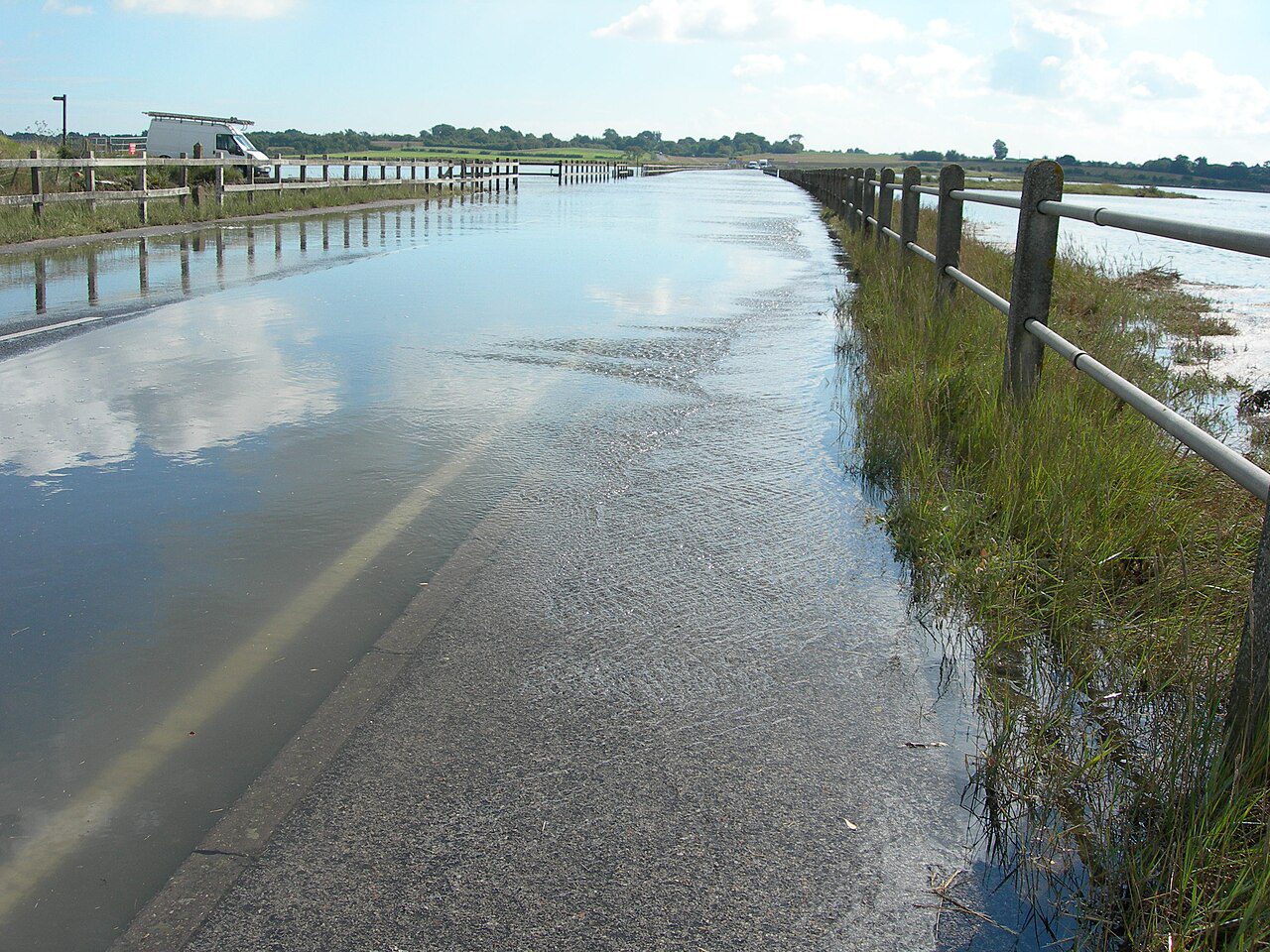
The only road onto Mersea Island is the Strood, a causeway that crosses the tidal channel between Peldon and the island, and this is the one detail that catches people out on any Mersea Island walk. When the tide reaches around 4.5 metres the road floods and becomes impassable, which can last anywhere from 30 minutes to an hour and a half depending on the height of the tide and the strength of the wind. Spring tides extend the window further still.
Check the tide times before you set out. The Strood tide tables are published on visitmerseaisland.co.uk and on peldon.org, and if in doubt, allow a good margin either side of high tide. There is free parking at Coast Road car park in West Mersea and at Cudmore Grove Country Park in the east.
Staying Nearby
Mersea Island is a comfortable day trip from either Colchester or Wivenhoe, both of which are within half an hour by car. Clever Cottages has four dog-friendly properties across the two towns: Number 11 and The Round House in Colchester, and Secret Cottage and Queens Cottage in Wivenhoe. All four offer free parking, self-check-in from 3pm, and enough supplies that you do not need to think about shopping before you arrive. If you book directly through clevercottages.co.uk, you save the platform fee.
Frequently Asked Questions
How long is the Mersea Island walk?
The full circular walk around the island is approximately 13 miles and takes five to six hours at a comfortable pace. Shorter routes are available, including a 5.5-mile south coast walk from West Mersea and a 2-mile circuit around Cudmore Grove Country Park.
Can you walk around the whole of Mersea Island?
Yes, the full island circuit follows the coastline all the way around on sea wall paths and field edges. The terrain is flat but the distance adds up, so allow a full day if you plan to complete the loop with time for stops.
Is Mersea Island dog friendly?
Dogs are welcome on most of the walking routes and beaches year-round. During summer months, West Mersea Town Council asks for dogs to be on leads on the busier stretches of the main beach, but Cudmore Grove and the northern marshes offer plenty of space for off-lead walking.
What happens if the tide comes in at the Strood?
The Strood causeway floods when the tide reaches approximately 4.5 metres, and you cannot drive on or off the island during this period. It typically lasts 30 minutes to an hour and a half. Check the tide tables at visitmerseaisland.co.uk before visiting.
Planning a visit to Wivenhoe and Colchester?
Get our free local guide, written by the owners of four dog-friendly cottages in the area.
Or browse our cottages in Wivenhoe and Colchester if you are looking for somewhere to stay.